


Key Takeaways
- Massachusetts landlords generally must terminate a tenancy before filing for eviction, with notice requirements depending on the reason and type of tenancy.
- Evictions proceed through the courts, where tenants can respond, present defenses, and participate in mediation.
- Landlords cannot change locks, disconnect utilities, or remove tenants without following the legal eviction process.
- Proper documentation, accurate notices, and compliance with court deadlines can help prevent costly delays.
- RPM Shire Team helps Pittsfield landlords navigate eviction procedures and manage their rental investments.
Evicting a tenant in Massachusetts requires careful preparation, accurate documentation, and compliance with state law. Whether you’re dealing with unpaid rent, lease violations, or the termination of a tenancy, skipping required procedures can delay your case and create legal liability.
Understanding the eviction process helps Pittsfield landlords protect their investments while respecting tenants’ legal rights. At RPM Shire Team, we help Berkshire County property owners manage rental challenges and navigate the steps involved in lawful evictions.
Let’s ensure your investment is legally compliant!
Understanding Valid Reasons for Eviction
Massachusetts generally recognizes three grounds for residential eviction: nonpayment of rent, lease violations, and the lawful termination or expiration of a tenancy.
Nonpayment of rent: Landlords generally provide a 14-day notice to quit when rent remains unpaid. Tenants may have an opportunity to prevent eviction by paying the amount legally required within the applicable deadline.
Lease violations: Substantial breaches of a rental agreement may justify eviction. The required notice depends on the lease, the violation, and applicable law. Landlords should also consider whether accommodation requirements or other legal protections apply.
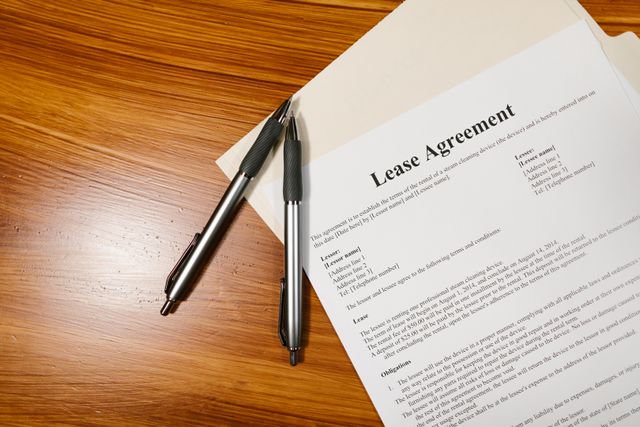
No-fault terminations: Landlords may seek possession following the lawful termination of a tenancy, such as when a month-to-month arrangement ends. A fixed-term lease generally cannot be terminated early without legally sufficient grounds.
Serving a Notice to Quit
When starting the eviction process, landlords generally must serve a notice to quit formally communicating the termination of a tenancy before filing an eviction lawsuit, unless an applicable exception exists.
For nonpayment, the usual notice period is 14 days. Terminating a month-to-month tenancy generally requires at least 30 days’ notice, expiring at the end of a rental period. Notice requirements for lease violations depend on the agreement and circumstances.
Massachusetts also requires landlords issuing nonpayment notices to provide an accompanying form containing rental assistance information and other required disclosures.
The tenant must receive the notice through a legally sufficient method. Keep a copy and reliable documentation of delivery, since improper notice can jeopardize subsequent court proceedings.
Importantly, a notice to quit does not authorize you to remove a tenant. If the tenant remains after the tenancy has lawfully ended, you must pursue eviction through the courts.
Filing a Summary Process Action
Once the tenancy has ended and the applicable notice period has expired, landlords can begin a summary process eviction action.
Pittsfield cases may be heard in the Western Housing Court’s Pittsfield session, although filings and correspondence for that session go to its Springfield location.
To initiate proceedings, you must obtain and complete the appropriate summons and complaint, arrange service by a sheriff or constable, and file the required documents with the court.

You should prepare your lease, notice to quit, proof of service, payment records, and documentation supporting the grounds for eviction. Missing paperwork or incorrect filing procedures can cause delays or dismissal.
Tenant Responses and Court Proceedings
After the case is filed, the court schedules an initial event. In Housing Court, this is generally a Housing Specialist Conference, where both parties may discuss the dispute and explore possible resolutions.
Massachusetts Legal Help provides guidance on how to file an answer in an eviction case. Tenants generally must file and serve their answer at least three business days before the initial court event.
An unanswered complaint does not automatically guarantee eviction. A default judgment may be available when the legal requirements are met, including applicable attendance and procedural requirements.
If the case remains contested, the court may schedule further proceedings or a trial.
Contact Us Today For More Info
Mediation and Settlement
Massachusetts Housing Courts provide opportunities for landlords and tenants to resolve disputes before trial.
Depending on the circumstances, an agreement might establish a payment arrangement, address a lease violation, or set a mutually agreed move-out date. Any settlement should clearly document the parties’ obligations and comply with applicable law.
Mediation may reduce legal expenses and resolve disputes without a contested trial, although an agreement is not guaranteed.
Trial and Judgment
If the parties cannot reach an agreement, the case may proceed to trial.
Landlords should be prepared to present relevant evidence, including the lease, notice to quit, proof of service, rent ledger, correspondence, and documentation of alleged violations.

The tenant has an opportunity to present defenses and applicable counterclaims. The judge evaluates the evidence before deciding whether the landlord is entitled to possession.
A judgment for possession does not immediately authorize physical removal. Landlords must follow the additional procedures required to obtain and enforce an execution.
Execution and Removal
If you receive a judgment for possession, you generally must wait until the 10-day appeal period has passed before requesting an execution, unless additional restrictions apply.
Under Massachusetts General Laws, Chapter 239, Section 3, only an authorized sheriff or constable can enforce an eviction. The officer must provide at least 48 hours’ written notice before the scheduled removal and arrange for any remaining belongings to be placed in an appropriate licensed storage facility.
A court-ordered stay or appeal can delay enforcement. Landlords should never attempt to remove tenants or their belongings independently.
How Long Does an Eviction Take?
Massachusetts evictions can take several months, depending on the notice period, court scheduling, available defenses, and whether the parties reach an agreement.
Under Housing Court procedures, the initial court event is generally scheduled 30 to 60 days after the case is entered. Contested proceedings, appeals, and stays can extend the timeline considerably.
Landlords should account for these potential delays when budgeting for vacancies, legal expenses, and ongoing property costs.
Common Landlord Mistakes to Avoid
Procedural errors can delay an eviction or expose property owners to liability.

Common mistakes include:
- Serving an incorrect notice or failing to document delivery.
- Filing incomplete paperwork or missing court deadlines.
- Attempting to change locks, disconnect utilities, or remove belongings without legal authorization.
- Proceeding without appropriate legal guidance when a case becomes complicated.
- Failing to follow the required procedures after obtaining judgment.
Maintaining complete records and following the appropriate court procedures can help prevent avoidable complications.
When to Hire an Attorney
Consider consulting a Massachusetts housing attorney before beginning eviction proceedings, particularly when the grounds for termination are disputed.
Legal representation can be especially valuable when tenants raise habitability concerns, file counterclaims, request a jury trial, or allege discrimination or retaliation.
An attorney can evaluate your circumstances, prepare the necessary documents, and represent your interests throughout the proceedings.
Compliance and Tenant Protections
Massachusetts landlords must respect applicable Fair Housing laws and cannot pursue eviction for discriminatory or retaliatory reasons.
Tenants are protected against retaliation for exercising certain legal rights, including reporting qualifying housing violations. Under Massachusetts law, certain adverse actions taken within six months of protected activity may create a rebuttable presumption of retaliation.
Understanding Massachusetts landlord-tenant laws can help property owners navigate their responsibilities regarding rental agreements, property maintenance, Fair Housing compliance, and lawful eviction procedures.
Bottom Line
The Massachusetts eviction process requires accurate documentation, legally sufficient notices, and careful attention to court procedures. Understanding each stage can help Pittsfield landlords avoid unnecessary delays and manage challenging rental situations.
RPM Shire Team provides professional property management services, including assistance with compliant eviction procedures, tenant communication, and ongoing rental operations.
Contact RPM Shire Team at 413-242-6192 to discuss your Pittsfield rental property and available management services.
Frequently Asked Questions
How Long Does a Massachusetts Eviction Take?
The process often takes several months, although timelines vary considerably. Notice requirements, court scheduling, disputed claims, and possible appeals all affect how quickly a case progresses. Contested proceedings and court-ordered stays can extend the process further.
What Is a Notice to Quit in Massachusetts?
A notice to quit is a formal notice used to terminate a tenancy before pursuing eviction. The required notice period depends on the reason for termination, lease terms, and type of tenancy. Receiving one does not automatically require a tenant to leave without court proceedings.
Can I Change the Locks or Remove a Tenant’s Belongings Myself?
No. Massachusetts prohibits landlords from using self-help eviction methods, including unauthorized lock changes, utility shutoffs, and property removal. A sheriff or constable must carry out any physical eviction under a valid court execution.
What Happens if a Tenant Doesn’t Answer an Eviction Complaint?
A landlord may seek a default judgment when the applicable legal requirements are satisfied. However, failing to submit a timely answer does not automatically result in eviction. The court must still determine whether the necessary conditions for judgment have been met.
Do I Need an Attorney for a Massachusetts Eviction?
Not every landlord must hire an attorney, although representation requirements may depend on how the property is owned. Legal guidance is particularly useful in contested cases involving lease disputes, counterclaims, or complicated procedural issues. An attorney can help prevent mistakes that could delay proceedings.
Let’s ensure your investment is legally compliant!
This content is provided for general informational and educational purposes only and does not constitute financial, legal, tax, or investment advice. Readers should consult with licensed professionals regarding their specific circumstances.
We are pledged to the letter and spirit of U.S. policy for the achievement of equal housing opportunity throughout the Nation. See Equal Housing Opportunity Statement for more information.
